Why Rituals Matter - REFLECTION

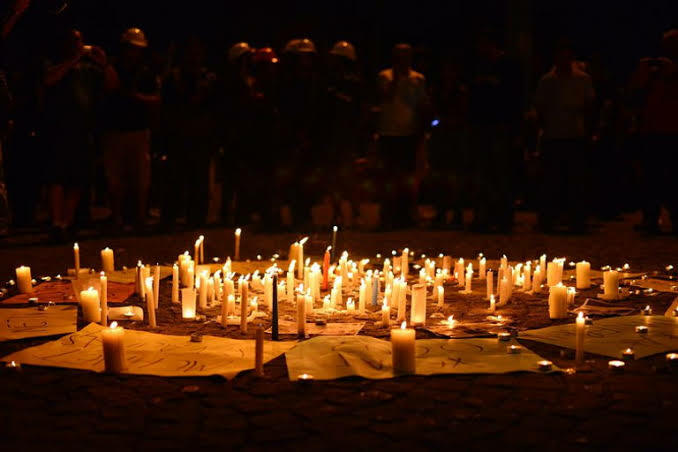
From the beginning of human history, people have used ritual to make sense of life's most profound moments. Long before written language, communities gathered around fires to welcome new life, mourn the dead, celebrate the changing seasons, and give thanks for harvests. Rituals helped people transform ordinary events into meaningful experiences. They reminded individuals that they were part of something larger than themselves—a family, a community, and, for many, a sacred relationship with God.
The Christian Church inherited this understanding of ritual and gave it new depth. From the earliest centuries, believers gathered to pray together, break bread, baptize new Christians, and commemorate the life, death, and resurrection of Jesus Christ. These practices were not empty ceremonies. They were living acts of remembrance, belonging, and transformation. Through rituals such as Baptism and Holy Communion, Christians marked both an inward spiritual reality and an outward expression of faith. Weddings, funerals, the anointing of the sick, and the seasons of Advent, Lent, Easter, and Pentecost continue to shape the rhythm of Christian life today, reminding us that God is present in every season of our journey.
Yet ritual is not confined to churches or religious traditions. At its heart, a ritual is any intentional act that helps us acknowledge change, express meaning, and move from one stage of life to another. Human beings have an innate need to recognize transitions. We long for moments that invite us to pause, reflect, celebrate, grieve, forgive, or begin again.
It is important to distinguish rituals from routines. A routine is something we do primarily for efficiency or necessity. We brush our teeth, make coffee, check our email, or lock the front door without much thought. These habits help organize daily life, but they are generally practical rather than symbolic.
A ritual, on the other hand, is performed with intention. It carries meaning beyond the action itself. Lighting a candle in memory of a loved one, planting a tree after the birth of a child, writing a letter before beginning a new career, gathering family members to bless a new home, or sharing bread and wine in communion all become rituals because they invite us to stop, pay attention, and honour what is happening in our lives.
Modern society has preserved many traditional rituals while quietly allowing others to disappear. We celebrate birthdays, weddings, graduations, baptisms, and funerals with well-established customs. These ceremonies help us recognize milestones and strengthen our sense of belonging. Yet many of life's equally significant transitions pass almost unnoticed. Divorce, infertility, miscarriage, menopause, retirement, the loss of a beloved pet, recovery from serious illness, becoming a caregiver, leaving a family home, immigration, or receiving a difficult diagnosis are often experienced in silence, without a shared way to acknowledge their emotional and spiritual significance.
These overlooked transitions can leave people feeling isolated, unseen, or uncertain about how to move forward. A thoughtfully designed ritual cannot remove pain or erase grief, but it can create space for healing. Ritual gives shape to emotions that are often difficult to express. It allows us to honour what has been lost, celebrate what has been gained, and step more intentionally into whatever comes next.
Whether deeply rooted in faith or simply grounded in personal meaning, rituals remind us that change deserves to be acknowledged. They invite us to slow down in a culture that often urges us to move on too quickly. They help families share stories, strengthen relationships, and create memories that endure long after the moment has passed.
Every important transition deserves to be honoured. When we intentionally mark the significant moments of our lives, we discover that rituals are not merely traditions from the past. They are timeless gifts that offer comfort in sorrow, joy in celebration, hope in uncertainty, and meaning throughout the journey of being human. When I design a ritual with an individual or a family I am certain to honour the spiritual and emotional aspects of what people need in order to heal, move forward or celebrate. Rituals need witnesses, so I make sure that we include friends, family, significant others who will bear witness to the transition that is taking place. In a future article I will talk about symbols in rituals and the role that they play.
From Sieglinde Malmberg
-
Location
Office Hours
Contact

